
Introduction to 5G Technology
5G technology represents a significant leap forward in mobile telecommunications, evolving from its predecessors—3G, 4G, and LTE—with key advancements that go beyond increased speeds. While the most visible impact of 5G may be faster phone downloads and streaming, its implications extend far beyond consumer use cases. The enhanced capabilities of 5G are poised to reshape various industries and facilitate innovative applications.
This next-generation technology is characterized by several defining features, including considerably higher data rates, reduced latency, and increased network capacity. Top speeds for 5G can reach up to 20 Gbps, which is a substantial upgrade over 4G, allowing businesses to transmit large volumes of data more efficiently. Furthermore, 5G significantly lowers latency to as little as 1 millisecond. This reduction enables real-time interactions, essential for applications such as remote surgery, augmented reality, and smart manufacturing where instant feedback is critical.
The increased capacity offered by 5G means that it can support far more devices simultaneously compared to earlier generations. This becomes increasingly important as the number of Internet of Things (IoT) devices continues to rise. Enabling millions of connected devices to communicate without congestion is vital for sectors like transportation, healthcare, and smart cities. Thus, 5G is not merely an enhancement in terms of speed; it is a foundational technology that will enable new functionalities and services across multiple markets.
In summary, the evolution of 5G encompasses improved speeds and a suite of features that cater to business needs. As companies begin to harness its potential, the full extent of its capabilities is set to transform operational processes, enhance efficiency, and drive innovation.
Revolutionizing Manufacturing Processes
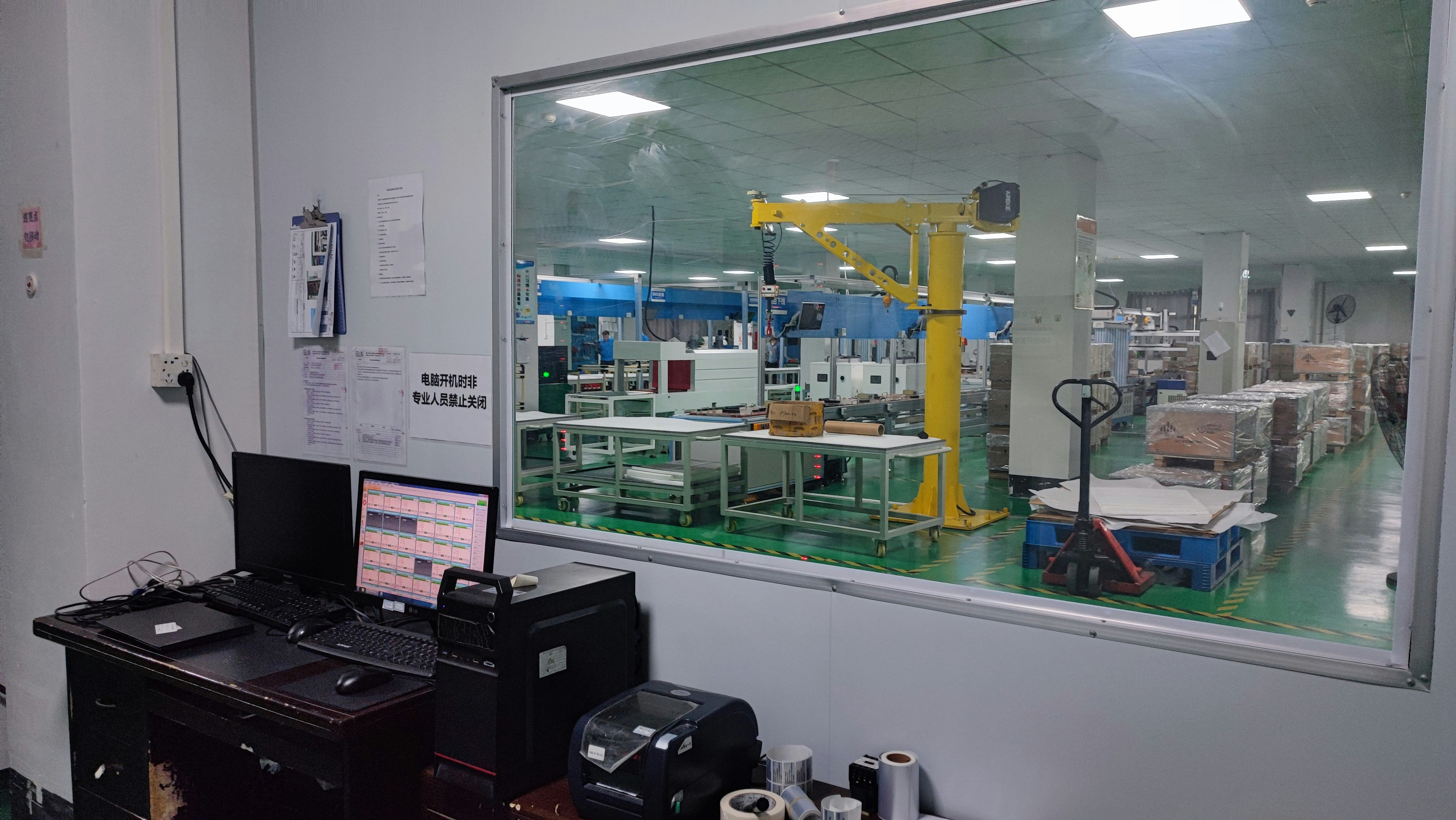
The advent of 5G technology is poised to significantly transform manufacturing processes across various sectors. By providing ultra-fast data speeds, low latency, and enhanced connectivity, 5G facilitates the seamless operation of IoT (Internet of Things) devices. This connectivity is crucial for modern manufacturing, where real-time data exchange plays a pivotal role.
One of the primary applications of 5G in manufacturing is automation. With the increased reliability and speed of data transmission, manufacturers can implement smart automation systems that integrate AI and machine learning capabilities. For instance, a factory equipped with 5G can monitor the production line in real-time, making immediate adjustments to processes based on data analytics, which can lead to increased efficiency and reduced downtime.
Moreover, predictive maintenance is another area where 5G is making a considerable impact. Through continuous data monitoring of machinery and equipment, manufacturers can identify potential failures before they occur. This proactive approach not only minimizes unexpected disruptions but also extends the lifespan of manufacturing equipment, ultimately saving costs. Companies like Siemens have begun incorporating 5G solutions into their manufacturing ecosystems to enhance operational efficiency and improve overall productivity.
Quality control processes are also being revolutionized by 5G. With high-definition cameras and sensors connected through 5G networks, manufacturing plants can conduct real-time inspections, ensuring product quality meets stringent standards. For example, automotive manufacturers employ 5G-enabled devices to inspect vehicles during assembly, ensuring that every component is in place and functioning correctly. This capability leads to both enhanced quality assurance and the ability to swiftly address any anomalies.
As businesses continue to adopt 5G technology, the manufacturing landscape will undoubtedly evolve, resulting in smarter, more efficient production environments that leverage advanced connectivity.
Enhancing Logistics and Supply Chain Management
5G technology is revolutionizing logistics and supply chain management by providing unprecedented speed and connectivity. With its enhanced bandwidth, businesses can utilize real-time tracking of shipments, which enables them to monitor deliveries with remarkable accuracy. This visibility helps in minimizing delays and improving customer satisfaction because stakeholders can access shipment status at any time. The application of 5G in logistics is essential for obtaining data in real-time, which contributes to timely decision-making processes.
Furthermore, 5G facilitates improved inventory management through technologies like Internet of Things (IoT) devices that can communicate seamlessly. These devices can track inventory levels, monitor storage conditions, and send alerts when supplies are running low. This intelligent inventory system reduces the chances of stockouts and overstocking, allowing businesses to maintain optimal inventory levels while lowering holding costs.
Moreover, 5G enables companies to optimize delivery routes using advanced analytics. By leveraging real-time data about traffic conditions, weather, and other factors, logistics providers can adjust their routes dynamically. This capability not only speeds up delivery times but also reduces fuel consumption and operational costs, leading to a more sustainable logistics model.
In addition, the symmetrical upload and download speeds of 5G allow for better integration of automated systems within supply chains. Autonomous vehicles and drones, equipped with advanced sensors and control systems, can operate effectively, ensuring quicker and safer delivery of goods. The overall efficiency achieved through these technological advancements demonstrates how 5G is not merely about faster phones but is integral to enhancing supply chain management and logistics.
Transforming Remote Operations and Field Services
The advent of 5G technology is markedly transforming remote operations and field services across various industries. By providing higher speeds and more reliable connections, 5G enhances the ability to monitor and manage operations from virtually anywhere. This newfound capability is particularly beneficial for industries reliant on continuous oversight and rapid response to dynamic conditions, such as manufacturing, logistics, and utility management.
One of the significant advancements enabled by 5G is remote monitoring. Real-time data transmission allows businesses to track equipment performance and operational health without the need for physical presence on-site. This reduction in the necessity for on-site inspections not only cuts operational costs but also minimizes human resource allocation for routine checks, thereby boosting overall efficiency. Consequently, organizations can redirect their workforce to higher-value endeavors while ensuring that equipment remains in optimal condition through constant surveillance.
Moreover, the integration of Virtual Reality (VR) and Augmented Reality (AR) technologies into field services has redefined training and maintenance tasks. VR can facilitate immersive training experiences for technicians, enabling them to develop their skills in simulated environments before addressing real-world challenges. Meanwhile, AR enhances the repair process by overlaying digital information onto physical equipment. This capability allows technicians to visualize maintenance procedures in real-time, reducing the time taken for diagnostics and repairs.
As case studies have demonstrated, organizations utilizing 5G-enabled technologies report significant reductions in downtime. Companies that have integrated AR for maintenance tasks have noted up to a 30% decrease in the time required for repairs, significantly enhancing productivity. These efficiency gains empower businesses to respond swiftly to issues, ensuring seamless operation even in remote settings.
Supporting Smart Cities and Infrastructure
The advent of 5G technology is significantly reshaping urban environments by enhancing the development of smart cities. With its high-speed connectivity and low latency, 5G plays a crucial role in supporting intelligent transportation systems. These systems rely on real-time data transmission to manage traffic flows, optimize public transport schedules, and improve overall travel efficiency. By integrating 5G into transportation networks, cities can facilitate smoother commutes and reduce congestion, ultimately leading to a more sustainable urban ecosystem.
Moreover, 5G supports the establishment of smart grids, which are vital for increasing energy efficiency and enhancing the reliability of power supply. The connectivity provided by 5G enables seamless communication between energy producers, distributors, and consumers. This not only aids in monitoring energy consumption but also facilitates the incorporation of renewable energy sources, thereby promoting a greener urban infrastructure. Consequently, cities can harness 5G technology to better manage their energy resources, resulting in cost savings and reduced carbon footprints.
Public safety is another critical aspect where 5G technology makes a substantial impact. Enhanced connectivity allows for the implementation of advanced surveillance systems and emergency response solutions. With faster data transfer, law enforcement agencies and emergency services can access and share information swiftly, improving their response times during critical situations. Furthermore, the integration of 5G into urban infrastructure allows for the deployment of smart sensors that can detect hazards and alert authorities in real-time, thereby enhancing citizen safety.
In summary, 5G technology is instrumental in the comprehensive development of smart cities. Its capacity to support intelligent transportation systems, optimize energy usage through smart grids, and improve public safety measures makes it an indispensable tool for urban planners and policymakers aiming to create sustainable and efficient urban environments.
The Role of 5G in Healthcare Innovations
The advent of 5G technology marks a significant milestone in the evolution of healthcare, providing myriad solutions that enhance patient care and operational efficiency. By facilitating faster data transmission and improved connectivity, 5G is revolutionizing how healthcare providers deliver services, particularly in telemedicine, remote surgeries, and real-time patient monitoring.
Telemedicine has seen a remarkable transformation with the integration of 5G networks. The high-speed, low-latency communication allows for seamless video consultations between healthcare professionals and patients, making healthcare accessible to those residing in remotely located areas. This is particularly beneficial for individuals who may be unable to visit healthcare facilities due to mobility issues, geographical barriers, or time constraints. With 5G, specialists can now conduct virtual consultations without the frustration of delays that can compromise care.
Moreover, 5G technology paves the way for remote surgeries, where surgeons can perform procedures via robotic instruments controlled over the network. The enhanced bandwidth and real-time data transmission capabilities mean that surgeons can operate with high precision and minimal lag, which is crucial in emergent medical situations. Such innovations have the potential to reduce the need for patients to travel long distances for specialized treatments, thereby improving healthcare access and outcomes.
In addition to telemedicine and surgical applications, 5G enables real-time tracking of patient health data through wearable devices and smart health monitoring systems. This capability allows for continuous health assessments and swift interventions when necessary. Patients can benefit from closely monitored chronic conditions without the need for frequent hospital visits, resulting in better management and overall satisfaction with their healthcare experiences.
As healthcare evolves, the profound impact of 5G technology stands as a testament to its ability to foster innovation and improve patient outcomes, ultimately leading to a more robust healthcare system.
Challenges and Considerations for Businesses Adopting 5G
The integration of 5G technology can significantly enhance operational efficiencies, yet businesses must face several challenges during its adoption. One of the primary concerns relates to the cost implications. Transitioning to 5G involves substantial investments, including expenses for new hardware, software upgrades, and potential relocation of existing infrastructure. Organizations need to conduct a thorough cost-benefit analysis to ensure that the short-term financial burden is justified by the long-term benefits of improved connectivity.
Infrastructure readiness also poses a considerable challenge for many businesses. Not all existing facilities possess the necessary framework to support 5G networks. This readiness includes not just physical structures, but also technical capabilities and compatibility with advanced technologies such as the Internet of Things (IoT). A lack of readiness may hinder operational agility and slow down the benefits of adopting 5G.
Security concerns are another paramount consideration. With the increased speed and connectivity that 5G offers, the potential for cyber threats may rise correspondingly. Businesses will need to address these concerns by implementing comprehensive security protocols and conducting regular risk assessments to safeguard their data and network against breaches.
Additionally, workforce training is critical for successful 5G adoption. Employees must be equipped with the skills and knowledge necessary to leverage new 5G capabilities effectively. Organizations should invest in training programs that focus on 5G technologies, ensuring staff can adapt and utilize the potential of 5G fully.
To mitigate these challenges, businesses can take a phased approach toward 5G implementation. Collaborating with telecom providers for tailored solutions might further streamline the process, making the transition more manageable. In summary, while the adoption of 5G presents obstacles, strategic planning and investment in both infrastructure and workforce training can facilitate a smoother transition.
Future Trends and the Evolution of 5G Applications
As businesses increasingly adopt 5G technology, the discussions surrounding its future trends and the potential applications across various industries become more significant. The evolution of 5G is not just limited to enhancing mobile phone capabilities; it represents a revolutionary shift in how organizations interact with technology and customers. One of the most promising future trends lies in the amalgamation of 5G with artificial intelligence and the Internet of Things (IoT). This combination could lead to unparalleled levels of automation and efficiency, enabling smart real-time analytics.
In the healthcare sector, for example, 5G’s low latency and high-speed capabilities may enable remote surgeries and real-time patient monitoring through advanced telemedicine solutions. Furthermore, the manufacturing sector can utilize 5G technology for predictive maintenance, where machine learning algorithms analyze real-time data from connected devices to anticipate failures before they occur.
The retail industry is also on the verge of transforming its customer experience through enhanced mobile applications that leverage augmented reality (AR) and virtual reality (VR) via 5G networks. This could create immersive shopping environments that allow customers to try before they buy, leading to improved sales conversions.
For businesses to effectively harness these advancements, proactive preparation is critical. Organizations must invest in training staff and adapting their current infrastructure to support the integration of 5G technology. A robust strategy should involve collaboration with tech providers, to stay ahead of the curve and ensure that the organization is ready to optimize 5G applications fully. Additionally, businesses must remain vigilant regarding the evolving regulatory landscape surrounding 5G technologies, as compliance will be key in leveraging these innovations successfully.
Overall, as 5G continues to evolve, it presents transformative prospects that can enhance operational efficiency, redefine customer engagement, and culminate in substantial competitive advantages for proactive businesses.
Conclusion: Embracing 5G for Business Growth
The advent of 5G technology represents a significant evolution in connectivity, poised to transform the way businesses operate across various sectors. Unlike previous generations of mobile networks, 5G offers not only improved speed but also enhanced capacity and reduced latency, which are crucial for real-time data transfer and communication. As organizations globally strive to innovate and remain competitive, leveraging the full potential of 5G can be a game-changer for operational efficiency and overall business growth.
By embracing 5G, companies can optimize their processes and introduce new services that were previously unattainable. For instance, industries such as manufacturing can utilize 5G-enabled IoT devices for seamless communication among machines, which may lead to greater automation and predictive maintenance. Additionally, sectors like healthcare can benefit from remote patient monitoring and telemedicine, facilitated through robust and fast connectivity. These advancements can streamline operations, enhance customer experiences, and ultimately lead to increased revenue streams.
Moreover, adopting 5G technology prepares businesses for future innovations such as augmented reality (AR) and virtual reality (VR) applications that enhance user engagement and product demonstration. As companies explore the vast opportunities that 5G can unveil, it is essential for business leaders to proactively consider how this technology can be integrated into their operations.
In conclusion, the shift towards 5G technology is not merely about faster devices; it represents an opportunity for substantial transformation. Businesses must recognize the importance of adopting this digital evolution as a pathway to growth, increased efficiency, and competitive advantage. Therefore, it is imperative for industry leaders to investigate and strategize around the numerous possibilities that 5G can offer.