
Introduction to Cloud and On-Premise Servers
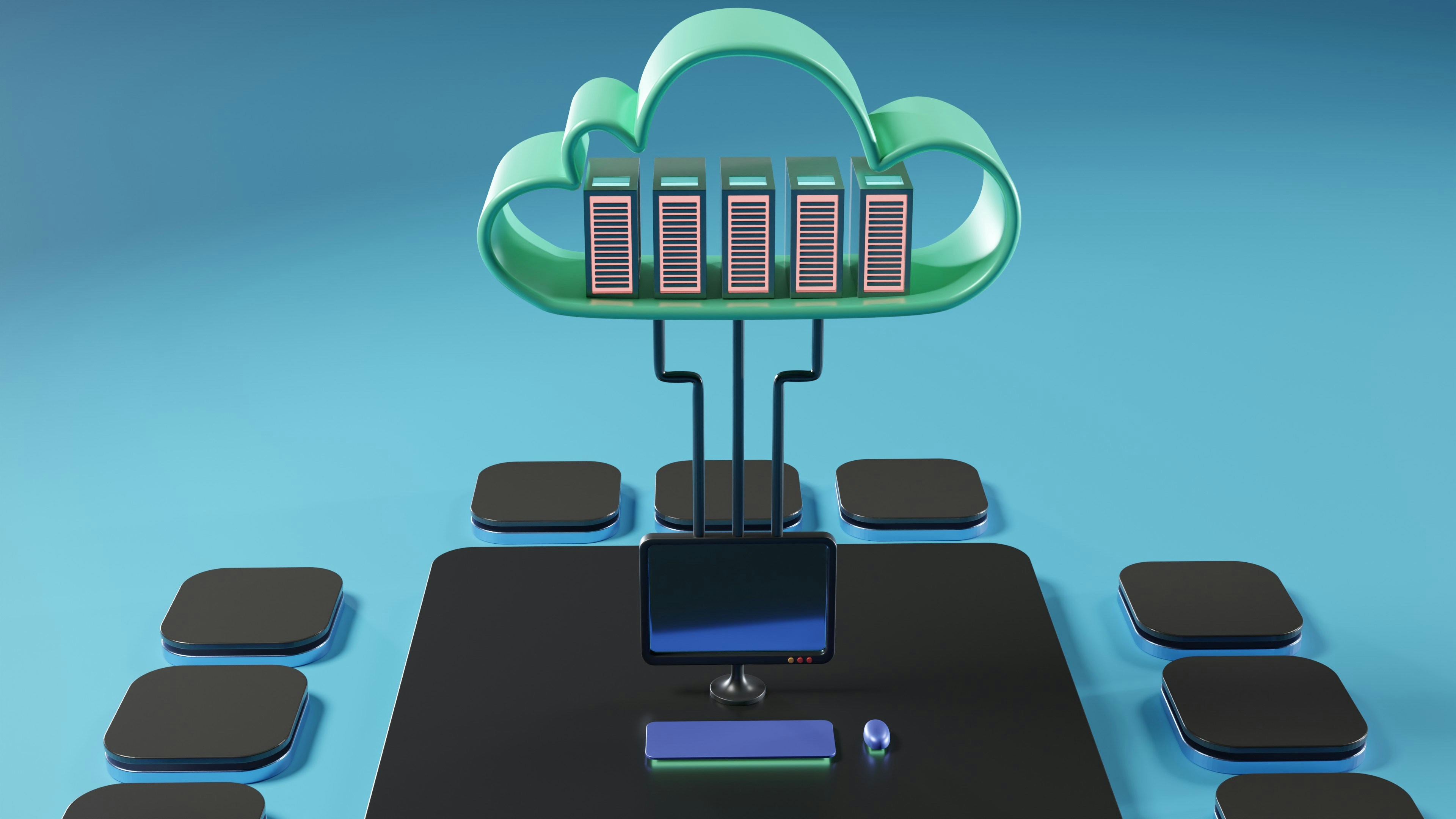
In the rapidly evolving technological landscape, businesses must decide how to manage their computing infrastructure. This decision often hinges on the choice between cloud servers and on-premise servers. Cloud servers are off-site resources provided over the internet, whereas on-premise servers exist physically within a company’s own facilities. This fundamental difference shapes how organizations utilize these server types, influencing aspects such as cost, management, and flexibility.
Cloud servers operate on a model that allows for scalable resources and on-demand services. Businesses can access storage, processing power, and other computing resources without the need for extensive physical hardware investment. This accessibility enables companies to innovate quickly and efficiently, reacting to market demands with agility. Services such as Amazon Web Services (AWS), Microsoft Azure, and Google Cloud have popularized this model, boasting features like pay-as-you-go pricing, automatic updates, and global accessibility.
On the other hand, on-premise servers require significant upfront investment since they involve the purchase and maintenance of hardware and software. Organizations using on-premise solutions often have dedicated IT staff who are responsible for overseeing server management, security, and upgrades. This can lead to a higher level of control over data, which is especially crucial for industries handling sensitive information, such as healthcare and finance. However, this control comes at the cost of flexibility and scalability, as upgrading or expanding on-premise systems can be both time-consuming and expensive.
When drawing an analogy between these two types of servers, cloud computing can be likened to renting a flat where the tenant benefits from flexibility without the burden of ownership. In contrast, owning an on-premise server can be compared to owning a house, providing stability but demanding higher responsibilities and initial costs. Understanding these differences is essential for businesses to make informed decisions about their IT infrastructure.
Understanding the Renting Analogy: Cloud Servers
Cloud servers can be likened to renting a flat, presenting characteristics that cater to a variety of business needs. One primary advantage of renting, and by extension cloud services, is the flexible payment model. Organizations can subscribe to cloud server services on a pay-as-you-go basis, ensuring that they pay only for the resources they actually use. This model stands in stark contrast to the traditional on-premise server approach, which typically requires a substantial upfront investment. With cloud servers, businesses can manage their operational expenses more effectively and align IT expenditures with their current financial situation.
In addition to cost flexibility, cloud servers offer remarkable ease of access. Users can access their data and applications from any location with an internet connection, allowing for increased collaboration and productivity. This feature is particularly vital in today’s dynamic work environments, where remote work is becoming the norm. Businesses can deploy cybersecurity measures and new applications swiftly, making it easier to adapt to changing market demands or internal needs.
However, this renting analogy also implies certain limitations. With cloud servers, companies have limited control over the underlying infrastructure since they are not physically owned by the business. This can introduce concerns regarding data security and compliance, as businesses must rely on cloud providers to uphold necessary regulations. Nevertheless, the scalability offered by cloud solutions can be advantageous; organizations can quickly scale their resources up or down in response to business growth or fluctuation. This elasticity is a key reason why many companies are choosing cloud services, enabling them to remain agile and competitive in a rapidly evolving marketplace.
Understanding the Owning Analogy: On-Premise Servers
When businesses opt for on-premise servers, they essentially choose to own their digital infrastructure, much like investing in a house. This approach is characterized by considerable upfront costs, as businesses must purchase hardware, software licenses, and the necessary facilities to house the servers. The initial capital expenditure can be substantial, frequently making it a daunting prospect for smaller enterprises.
In addition to the initial financial burden, owning on-premise servers entails ongoing maintenance responsibilities. Unlike cloud services, where maintenance is generally handled by the service provider, on-premise solutions require businesses to manage and maintain their servers. This encompasses regular updates, troubleshooting hardware faults, and ensuring cyber security measures are robust and up-to-date. For many organizations, this can translate into additional staff requirements or the need for staff training, further elevating operational costs.
One of the significant advantages of using on-premise servers is the enhanced control it provides. Businesses can customize their server environments to meet their specific needs, optimizing configurations for operational efficiency. This level of autonomy allows for tailored solutions that can be directly aligned with business objectives, potentially leading to better performance and security.
However, this autonomy comes with its challenges. The responsibility for system downtimes, data backups, and compliance with legal regulations falls squarely on the shoulders of the company, making it imperative to develop comprehensive IT strategies. This aspect of “ownership” can pose risks, as any lapses can lead to operational disruptions or costly legal ramifications.
In summary, while on-premise servers offer significant control and customization, they also require substantial investment and dedicated operational effort. This model may suit organizations with specific needs that justify the costs and responsibilities associated with “owning” their server infrastructure.
Cost Comparison: Short-Term vs. Long-Term Expenses
When evaluating the financial aspects of cloud vs. on-premise servers, it’s imperative to consider both short-term and long-term costs. In many instances, cloud services present an appealing option due to their lower initial costs. Organizations can subscribe to cloud services and pay a manageable monthly fee, akin to renting an apartment. This affordability allows businesses to conserve capital for other essential operations, making the cloud an attractive choice, particularly for startups and small enterprises.
However, while the immediate expenses of cloud services might be smaller, the cumulative costs can escalate significantly over time. Each month, businesses pay for the resources they utilize in the cloud, which can lead to a gradual rise in expenditures as the firm scales. Thus, the cloud service model, characterized by recurrent payments, resembles renting a property. While renting offers flexibility and ease, the long-term costs could outstrip the advantages if the service is utilized extensively over many years.
In contrast, investing in on-premise servers entails higher upfront costs, similar to a mortgage payment. Equipment acquisition may require a substantial initial investment, but the subsequent ownership of hardware can yield significant savings over time. Once the servers are installed and operational, recurring costs typically decrease as maintenance and operational expenses stabilize. Additionally, businesses have complete control over their infrastructure, which can lead to enhanced security and improved performance as needs evolve.
This analogy underscores the financial decision-making process: choosing between renting and owning in the context of server solutions. While cloud options may seem cost-effective in the short term, the potential for long-term savings with on-premise servers cannot be overlooked. Therefore, organizations must evaluate their specific needs, projected growth, and financial capabilities to make an informed decision that aligns with their operational goals.
Responsibility for Maintenance and Management
When it comes to selecting between cloud and on-premise servers, an essential consideration involves understanding the associated responsibilities, particularly in terms of maintenance and management. For on-premise servers, the ownership parallels that of maintaining a home, where the integrity, upkeep, and functionality rest solely with the owner. This involves routine maintenance akin to yard work and home repairs, including hardware upgrades, software updates, system monitoring, and incident response. The owner bears the burden of ensuring that the physical server is consistently operable and secured against potential threats, necessitating a significant investment of time, resources, and expertise.
In contrast, cloud service providers offer a different model that significantly alleviates the maintenance responsibilities for the end-user. When utilizing a cloud server, the management of the underlying infrastructure is typically handled by the cloud vendor. This means that the cloud provider assumes the roles of maintaining hardware, installing necessary updates, and providing robust security protocols. Users can leverage the provider’s expertise and technological investments without needing to invest internal resources into redundant maintenance measures. Such a dynamic not only streamlines operations but also allows businesses to focus their efforts on strategic initiatives rather than daily management tasks.
Additionally, cloud solutions provide scalability and flexibility that can pivot according to the demand and growth of an organization, allowing companies to tailor their resources dynamically without the fears associated with owning the physical assets. Therefore, the responsibilities concerning maintenance and management are significantly lessened when companies opt for cloud-based solutions compared to the ownership and operational control that comes with on-premise servers.
Control and Customization: Who Holds the Keys?
The debate between cloud and on-premise servers often centers around the degree of control and customization available to users. On-premise servers provide businesses with a significant level of control over their hardware and software configurations. Organizations can tailor their servers to specific requirements, allowing for modifications to operating systems, storage options, and applications. For example, a company might choose to implement specialized security protocols, custom software solutions, or legacy systems that require specialized configurations only achievable through on-premise installations.
In contrast, cloud services typically offer a standardized environment with predefined settings. While cloud providers deliver flexible resource allocation and scalability, this comes at the expense of customizability. Users may find themselves restricted by the limitations of the cloud provider’s infrastructure and offerings, making it challenging to implement unique configurations or proprietary applications. For instance, while accessing a scalable cloud service can facilitate rapid deployment of applications, businesses must often work within the constraints of the established cloud framework.
This divergence in control also affects compliance and security considerations. Organizations leveraging on-premise servers can enforce stringent security measures aligned with their internal policies. Conversely, cloud service users must rely on the provider’s security practices, which may not always align with unique organizational standards. Furthermore, some businesses in heavily regulated industries may require a higher degree of control over data handling, making on-premise solutions the more appealing choice.
Ultimately, the decision between cloud and on-premise solutions encompasses a broad spectrum of considerations regarding control and customization. Businesses must assess their specific needs, regulatory requirements, and future growth ambitions to determine which option empowers them with the right level of governance and flexibility.
Scalability and Flexibility: Adapting to Change
When evaluating the effective use of resources and operational efficiency, scalability and flexibility stand out as pivotal components in the discussion of cloud versus on-premise servers. This analogy can be compared to renting versus owning a home. A cloud server can be likened to a rental property, offering tenants the ability to adjust their lease terms based on changing circumstances. For instance, if a business experiences a surge in demand, it can easily scale up its cloud resources without requiring any permanent commitment. This adaptability enables organizations to respond swiftly to market fluctuations, optimizing costs and aligning expenditures with actual needs.
In contrast, on-premise servers are akin to owning a house, which often comes with stringent constraints. When a company invests in physical hardware, they commit to specific capacities, configurations, and fixed infrastructure. Should the company need to expand or adjust its capabilities, it often faces complex hurdles, such as procuring additional hardware, restructuring existing setups, and dealing with potential downtime while modifications take place. Such adjustments can lead to significant operational disruptions and increased expenses, undermining efficiency.
The flexibility inherent in cloud solutions encourages companies to shift their strategies with minimal hassle. With various plans and service options available, businesses can modify their usage, downsize during slow periods, or take advantage of powerful resources during peak times without the burdensome process of hardware acquisition and installation. This kind of responsiveness is invaluable in today’s dynamic business environment, allowing companies to stay competitive and agile.
Thus, the ability to easily adapt resources through cloud servers fundamentally transforms how businesses manage their IT infrastructure, fostering an environment of growth and innovation that on-premise servers may struggle to provide.
Security Considerations: Who’s Protecting Your Assets?
When it comes to choosing between cloud servers and on-premise servers, security is a paramount concern that organizations must consider. Each option presents distinct security features and challenges. On-premise servers, often likened to owning a property, allow businesses full control over their physical assets. This ownership translates into the ability to implement tailored security protocols, engage in regular audits, and customize firewall settings to meet specific needs. Therefore, organizations can enforce strict physical security controls and access restrictions, reducing the risk of unauthorized access.
In contrast, cloud servers operate under a model where an external cloud service provider assumes the responsibility for security. This arrangement can instill both confidence and apprehension among users. While cloud providers typically employ robust security measures, such as advanced encryption protocols, intrusion detection systems, and regular updates, the reliance on a third party necessitates a degree of trust. Organizations must evaluate the cloud provider’s security track record, compliance with industry standards, and the warranties offered regarding data protection.
Moreover, the shared responsibility model prevalent in cloud environments implies that while the provider safeguards the infrastructure, users must still implement their own security measures for data protection and identity management. This dichotomy raises questions about the adequacy of security controls in cloud environments, especially in sectors that manage sensitive information.
Ultimately, the choice between cloud and on-premise servers should factor in the organization’s specific security needs, compliance imperatives, and risk tolerance. Understanding these security considerations empowers businesses to make informed decisions, weighing the merits of complete control against the convenience of cloud-based services.
Conclusion: Making the Decision for Your Business
When evaluating whether to adopt cloud or on-premise servers, businesses must consider various factors inherent to their specific needs and priorities. Each option presents distinct advantages and disadvantages that can significantly impact organizational performance, scalability, and cost management.
Cloud servers typically offer enhanced flexibility, allowing businesses to scale resources in alignment with changing demands. The pay-as-you-go pricing model in cloud solutions can lead to significant cost savings, particularly for small to medium-sized enterprises that may not have the capital to invest in on-premise infrastructure. Furthermore, cloud services often provide robust security features and disaster recovery options, ensuring that sensitive data is protected and recoverable in case of unexpected events.
On the other hand, on-premise servers grant organizations complete control over their physical hardware, offering the opportunity to customize their environment to meet specific requirements. This model can be particularly advantageous for businesses that handle highly sensitive data subject to strict regulatory compliance or those that have existing investments in infrastructure. Furthermore, on-premise solutions can result in predictable long-term costs, as businesses avoid the recurring expenses associated with cloud subscriptions.
Ultimately, the decision hinges on individual business goals. Organizations must assess their operational needs, budgetary constraints, and long-term growth strategies to determine the most suitable server architecture. This comprehensive evaluation will guide businesses toward either embracing the agility of cloud computing or investing in the stability of on-premise servers. By aligning server choices with organizational objectives, businesses can ensure they are equipped to meet both current and future demands effectively.